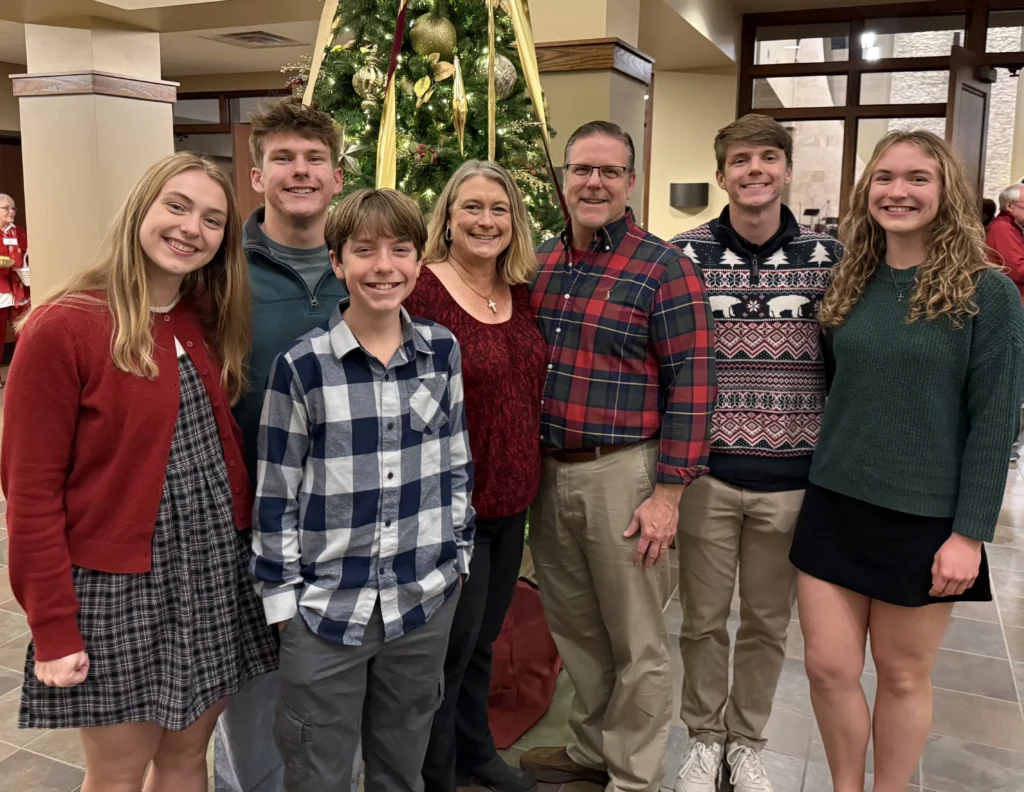
For nine of the 20 years Mark Winton served in the U.S. Army, he was embedded within Special Operations Forces (SOF) units as a Chaplain, walking alongside Operators and their families through some of the most difficult moments of military life.
“I served in SOF units, having both the privilege and the burden of ministering to SOF families during crisis,” Mark shared.
Those crises were not limited to combat or deployment-related injuries overseas. While Mark often supported families grieving the loss of a loved one or coping with severe injuries sustained in service, he also witnessed the emotional toll military life placed on spouses and families at home.
During his time serving in special missions units at Fort Bragg, three different spouse suicides occurred.
Each loss left a lasting impact on communities already carrying the weight of high operational demands, frequent deployments, and the constant pressure that comes with life in the Special Operations Forces community.
“It’s intense,” Mark said. “The guys are exposed to trauma with what they do, but then even the wives are indirectly exposed.”
The Mental Health Challenges Facing Military Spouses
Special Operations Forces service members are trained for resilience, adaptability, and high performance under pressure. Their spouses, however, often navigate many of the same stressors without the same level of preparation or support.
“There is a presumption that if the husband is a squared away Operator, that surely the wife can handle stress,” Mark explained. “But we have to remember no one is immune to the chaos.”
Military spouses frequently carry the responsibility of managing households, raising children, navigating frequent moves, and supporting their loved one through the unpredictability of military service. For spouses in the SOF community, those pressures can intensify due to the demands of the mission and the realities of repeated deployments.
“Spouses deal with unique burdens and with cumulative stress, and there is a deteriorating effect of that,” Mark said.
According to the Department of Defense, military spouse suicide rates have fluctuated in recent years, with 133 deaths reported in 2020 and 93 in 2022. The majority of victims were female and under the age of 40, with firearms identified as the leading method.
“To just presume that spouses can handle or deal with it on their own is a faulty presumption,” Mark shared. “They love and want to support their husbands, but the cumulative stress of maintaining that high level of readiness all the time has an intensity that comes with it.”
When the Need for Mental Health Support Became Personal
After retiring from the Army, the realities Mark had spent years witnessing as a Chaplain became deeply personal.
His own family faced a mental health crisis involving his wife, and the inpatient care she needed was not covered by TRICARE. Searching for support, Mark reached out to the SOCOM Care Coalition. Through that connection, Operation Healing Forces stepped in to help cover the cost of treatment.
“As a chaplain, I was a part of providing care for others,” Mark said. “But to be on the receiving end, particularly for my spouse’s and children’s sake, we were deeply grateful.”
For many military and veteran families, mental health challenges do not end when service does. The effects of cumulative stress, trauma, and years spent operating at a high level of readiness can continue long after a uniform comes off.
Supporting the Mental Wellness of the SOF Community
Mental health crises can affect families during active duty and throughout the transition into civilian life. Access to trusted support, community, and care can make all the difference for families carrying the invisible weight of service.
At Operation Healing Force, support extends beyond the individual service member to the entire family unit through therapeutic retreats, wellness programming, transition assistance, and immediate needs support.
“I would encourage Operators and their families with the familiar adage, ‘Half of the battle in life is knowing you are not alone,'” Mark shared. For SOF spouses and caregivers, that reminder can be life-changing.