There are wounds that cannot be seen.
They do not leave visible scars, but they can weigh heavily on the hearts and minds of Special Operations Forces service members, Veterans, and the families who love them.
Throughout Suicide Prevention Month, we are reminded of the importance of talking openly about mental health and recognizing that strength does not mean carrying everything alone. Within the Special Operations Forces community, years of deployments, high operational tempo, loss, transition, and the demands of service can leave an impact that is not always visible to those on the outside.
Behind every service member is also a story shaped by family, relationships, sacrifice, and the experiences carried along the way.
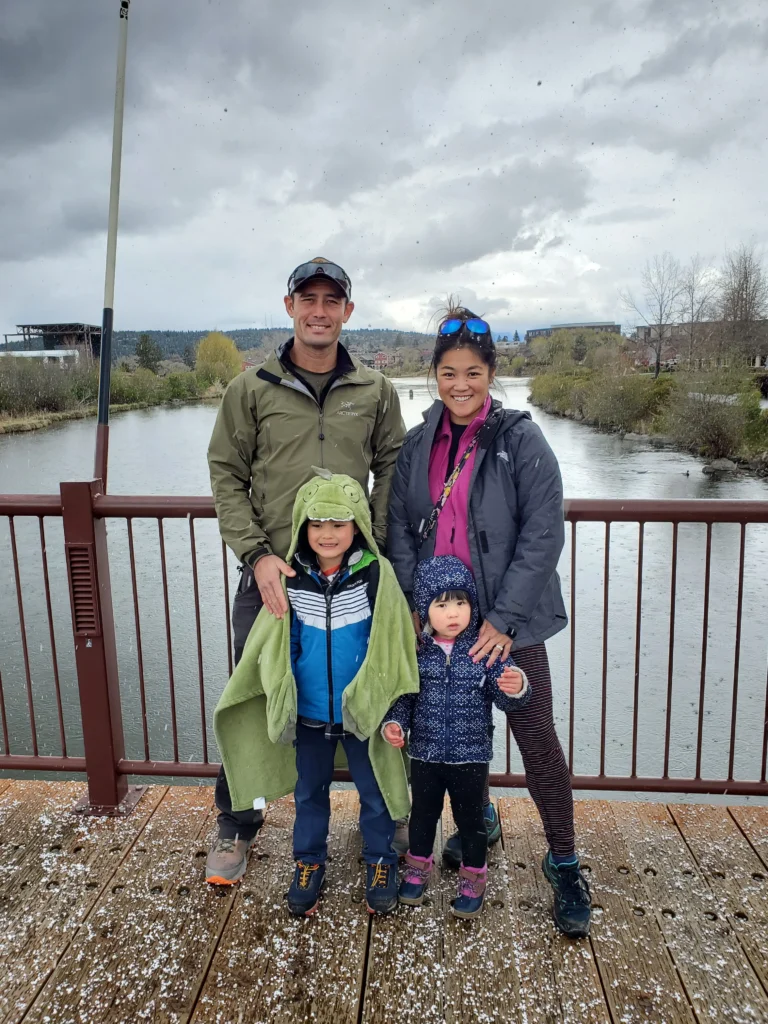
Sergeant First Class Nicholas “Nick” Guard lived a life rooted in service and a deep love for his family. Born and raised in Hawaii, Nick first served as a Marine Force Reconnaissance operator before earning the Green Beret and serving with 1st Special Forces Group.
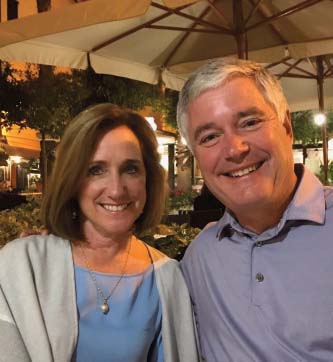
He was a respected leader, a dependable teammate, and someone who genuinely cared for those around him. His wife, Cydney, says Nick embodied the Hawaiian value of ‘ohana, placing family at the center of everything he did.
Nick, a devoted husband and loving father to Mattix and Leilani, was the kind of person who made those around him feel valued. He was also someone who continually challenged himself to grow. In June 2022, his bags were packed by the door as he prepared to leave for selection with the U.S. Army’s Combat Applications Group (CAG), pursuing the next chapter of a career dedicated to serving others.
Nick never made it to selection.
He was lost far too soon, a heartbreaking reminder that invisible wounds can remain hidden behind extraordinary strength and service.
The Impact Extends Beyond One Life
The effects of mental health struggles can reach beyond the individual, touching the lives of the people who love them most.
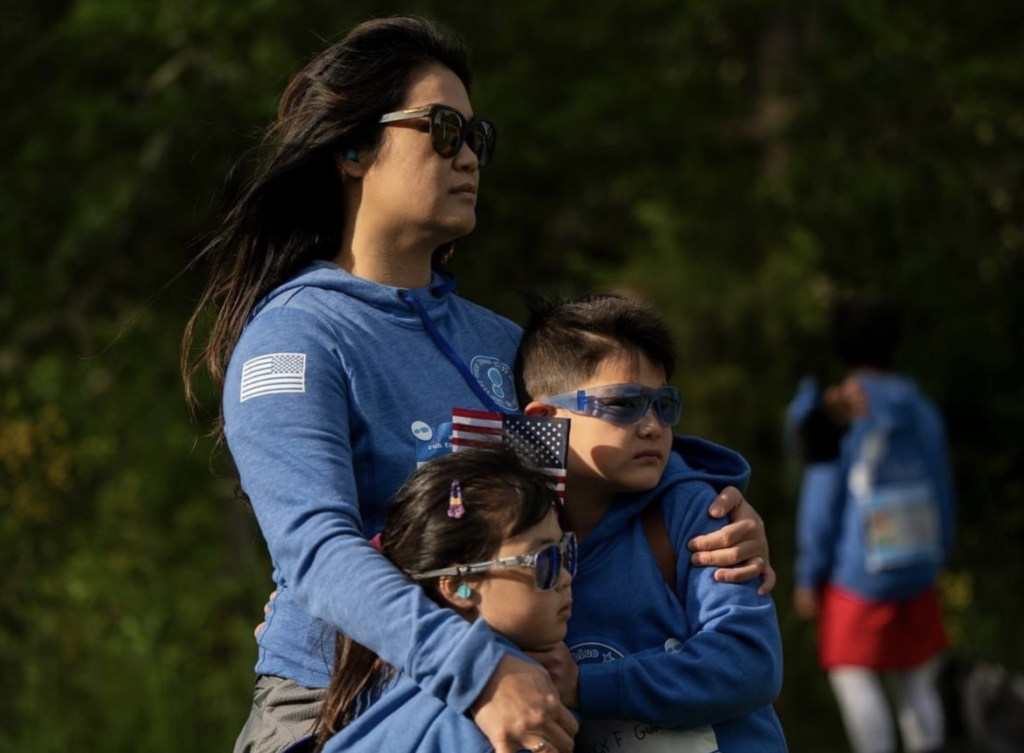
For Cydney, losing Nick meant not only grieving her husband, but also rebuilding a life and rediscovering her own identity. For years, she had proudly been a Special Forces spouse. Suddenly, she found herself questioning where she belonged.
Operation Healing Forces continued to stand beside the Guard family through the Immediate Needs Program, providing grief counseling, assistance with critical home repairs, and additional support during an incredibly difficult period.
“The support we’ve received reminds me and the kids that Nick is appreciated,” Cydney says. “His efforts weren’t for nothing.”
For Cydney, that support became about much more than practical assistance. It was a reminder that she and her children still belonged to the community that had been such an important part of their lives.
“They wrapped us in love,” she says. “They reminded me, ‘No, you are still loved, and you are a part of us.’”
Four years later, grief remains part of everyday life. Some days, even deciding what to do with Nick’s belongings can feel overwhelming. Yet Cydney continues to honor his memory while moving forward with the life they built together.
“Life is still beautiful. Life is still worth it. You can keep carrying on,” she says.
Accessing Mental Health Support
For Operation Healing Forces, supporting the Special Operations Forces community means more than responding to a moment of crisis. It means building connection, reducing isolation, providing access to resources, and continuing that support in the days, months, and years that follow.
It also means helping connect members of the SOF community with mental health resources when they need them.
Through Sound Off, Veterans, service members, and members of the intelligence community can access free, anonymous mental health support from licensed clinicians and trained peers, helping remove some of the barriers that can make seeking care difficult.
Operation Healing Forces also partners with Wounded Warrior Project, which offers a range of mental health programs. Through Warrior Care Network, warriors can receive intensive treatment for post-traumatic stress disorder (PTSD), traumatic brain injury (TBI), and co-occurring substance use challenges at participating academic medical centers, with treatment, travel, and lodging expenses covered.
Suicide Prevention Month creates an opportunity to talk more openly about mental health and the importance of ensuring service members, Veterans, and their families have access to meaningful support. It is also a reminder that care cannot begin and end with a crisis. Support for mental health, grief, loss, and the challenges connected to military service must remain available throughout the journey
If you or someone you know is struggling, support is available.
Veterans and service members can call 988 and press 1 to reach the Veterans Crisis Line or text 838255. Support is free, confidential, and available 24/7.